Cyclists are the easiest people on your list to shop for and the hardest to impress. Everything they want is bookmarked, in the right size, in a spec they’ve already argued about on a forum. Anything you pick from that list, they either own or have decided against for reasons that would take twenty minutes to explain.
So don’t shop from that list. Shop from the other one, the one that never makes it into a wishlist because it isn’t fun: the pump with an accurate gauge, the torque wrench, the brush that gets chain grease out of a cassette. This is the layer that decides whether the bike still shifts cleanly in March.
Fifteen items below, grouped by the four ways a ride actually ends. None of them are exciting. All of them are the reason a Sunday ride goes the distance.
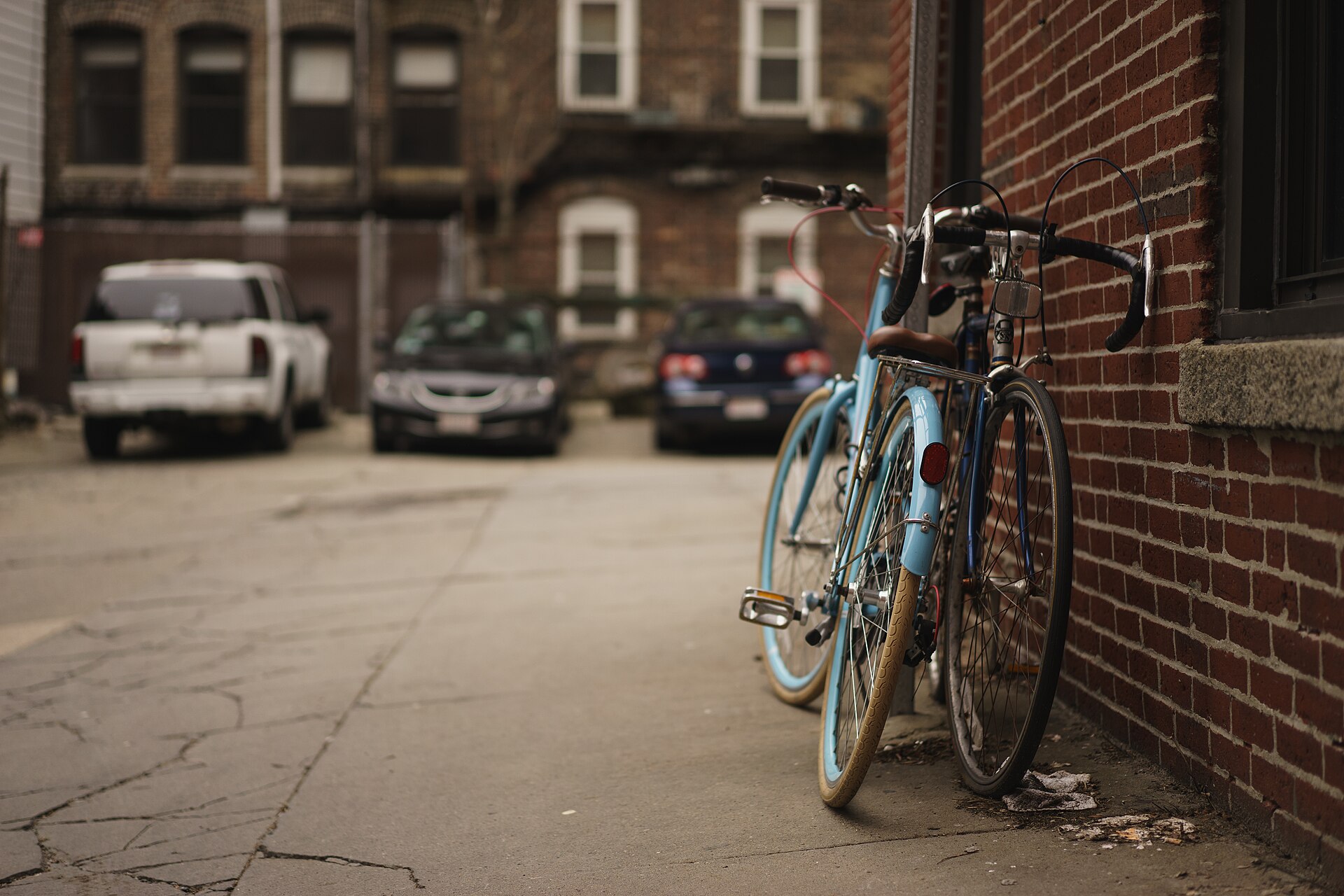
One question that filters most bike gifts
Before the list, a single test: would they have bought this themselves by February?
If the answer is yes and it costs under thirty dollars, they’ll grab it on the next parts order and your gift becomes invisible. If the answer is yes and it costs more, they’ve been postponing it for a year because something more fun came up first. That second category is where gift money goes furthest.
Two practical constraints worth respecting. Compatibility is not optional. Cassettes come in eight, nine, ten, eleven and twelve speed; handlebars come in two diameters; bottom brackets come in about nine standards. A gift that doesn’t fit is worse than no gift, so check the bike or buy something universal.
Sizes are guessable only for gloves and caps. Gloves run small in most European brands. Caps are one size with an elastic back, which makes them the safest clothing item on this page.
How a ride ends at mile six
Three things cause almost every early finish: a puncture nobody can fix, a tyre that’s been running at 45 psi for a month, and a bolt that worked itself loose on a rough descent.
1. A tubeless repair kit that fits in a pocket— Best for the rider who has gone tubeless and now fears the one hole it won't seal
Tubeless is brilliant until a cut is too big for the sealant, at which point the ride is over unless there's a plug. A small kit with tyre levers, plugs and a reamer lives in a jersey pocket and turns a twenty-mile walk into a two-minute stop. Worth having even if they run tubes, since the levers and the patch kit do the same job.
2. A floor pump with a real gauge— Best for anyone still filling tyres at the petrol station
Tyre pressure is the single biggest handling variable on a bike, and most riders are guessing. A track pump with a two-inch gauge lets them run the right pressure for their weight and the road surface, which is faster and more comfortable than whatever the tyre says on the sidewall. Buy one with a metal base; the plastic ones walk across the floor.
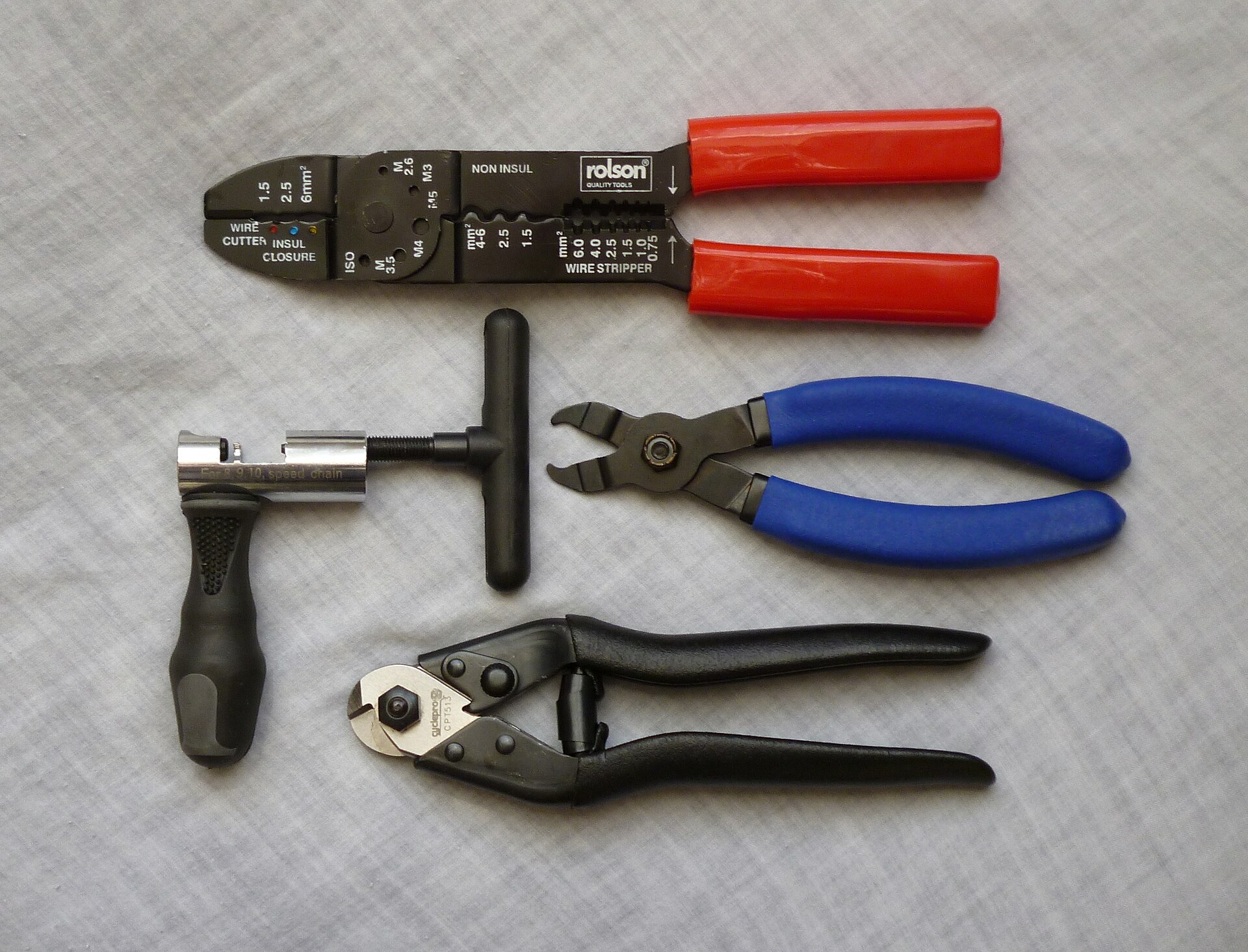
3. A 16-in-1 multi tool— Best for the rider whose saddle bag contains one Allen key and hope
Almost every roadside fix needs one of four sizes of hex key, and almost every rider carries the wrong one. A proper multi tool covers the hex sizes, a Torx for disc rotors, a chain breaker and a spoke key in something the size of a thumb. This is the item that gets borrowed by everyone else on the group ride.
The noise you stop hearing
A drivetrain doesn’t fail suddenly. It gets louder over four months until the owner stops noticing, and then a chainring costs more than everything on this page combined.
4. A torque wrench for carbon and aluminium— Best for the rider who tightens everything by feel and has cracked something once
Stem bolts and seatpost clamps have a printed number on them for a reason, and it's usually five or six newton metres. Carbon doesn't creak before it fails; it just fails. A small torque wrench with a bit set removes the guesswork and pays for itself the first time it saves a handlebar.
5. A pedal wrench with a long handle— Best for anyone who has ever skinned a knuckle trying to swap pedals
Pedals are torqued on tight and often seized, and a short adjustable spanner will lose that fight. A dedicated 15 mm pedal wrench gives enough leverage to break the thread without improvising with a mallet. It's a one-job tool that gets used twice a year and saves an hour each time.
6. A chain cleaner that clips onto the chain— Best for riders who clean with a rag and call it done
A rag moves grit around instead of off. A clip-on cleaner with a reservoir and three rotating brushes flushes the pins properly in about two minutes, using far less degreaser than the bucket method. Do it once a month and the cassette lasts noticeably longer, which is the real gift here.
7. A repair stand, the gift that changes the job— Best for the rider who services their own bike on the floor
Working at floor level is why most people stop doing their own maintenance. A stand that clamps the seatpost brings the drivetrain to waist height, which turns a miserable twenty minutes into a manageable ten. It's the only item here that keeps giving after the bike is fixed, because it makes every future job easier.
The twenty minutes off the bike
Half of every ride happens standing still: the café, the shop, the friend’s driveway. This is where gear gets lost and bikes get taken.
8. A U-lock rated for a city, not a suburb— Best for commuters locking up in the same place every day
Cable locks are a deterrent for honest people. A proper U-lock with a hardened shackle and a sold secure rating is the difference between a bike and a bus pass, and the good ones come with a frame mount so it isn't carried in a bag. Buy the smallest lock that fits their usual parking spot; less room inside the shackle means less leverage for a thief.
9. A saddle bag that holds the actual kit— Best for the rider with a multi tool in one jersey pocket and a tube in the other
Pockets are for food. A compact saddle bag takes a tube, levers, a multi tool and a CO2 cartridge without swinging, and stays on the bike so nothing gets left at home. Get one with a roll closure rather than a zip, because zip pulls rattle themselves open on rough roads.
10. A cotton cycling cap— Best for the rider who wears a helmet and nothing else, all year
A cotton cap keeps sweat out of the eyes in summer and takes the sting out of a cold headwind in winter, and it costs less than a coffee stop. The brim also keeps rain off glasses at traffic lights, which is a small thing until you've ridden in the rain without it. One size, so no sizing risk.
11. Padded gloves with a pull tab— Best for anyone whose hands go numb after an hour
Numb fingers come from pressure on the ulnar nerve, not from grip strength, and a decent palm pad moves the load off it. Look for a pull tab between the fingers, because wet gloves are impossible to remove without one. They also protect the palms in the one crash nobody plans for.
The last twenty miles
The final stretch is where routes get missed, bags get empty and shared paths get crowded. Four small items, all of them about knowing where you are and being noticed.
12. A waterproof handlebar bag— Best for riders doing long days without jersey pocket space
A rolled dry bag on the bars holds a jacket, food and a phone, and keeps all three dry in weather that would soak a musette. Get one that straps at two points rather than one, or it will bounce on rough tarmac. It also doubles as an overnight bag for the kind of ride that turns into a weekend.
13. A phone mount that doesn't rattle— Best for riders navigating by phone on unfamiliar roads
Stopping at every junction to check a map adds twenty minutes to a two-hour ride. A mount that clamps the bars properly puts the route at eye level, which is also safer than looking down at a stem. Avoid the silicone strap types on rough roads; they hold fine until the day they don't.
14. A GPS bike computer— Best for the rider training to numbers rather than to feel
A bike computer does two things a phone can't: it runs for twenty hours on a charge and it survives rain in a jersey pocket. Navigation, cadence, heart rate and elevation on one screen, with the phone staying in a bag as a backup. Last year's model is the sensible buy, since the mapping is identical.
15. A brass bell, because shared paths are shared— Best for the rider who shouts at pedestrians and wonders why it goes badly
A brass bell is louder than a voice at distance, unmistakably human, and never sounds aggressive. It's also the one accessory that makes a bike look cared for, which matters more than it should. The brass ones have a longer, cleaner ring than the pressed steel ones.
What I’d leave on the shelf
Bike-shaped bottle openers, wall art of a bicycle, and anything with the word “carbon” on the packaging that costs under thirty dollars. Cyclists can spot a decorative object instantly and will thank you with genuine warmth while putting it in a cupboard.
The other trap is clothing they didn’t ask for. Bib shorts and jerseys are fit-critical and brand-loyal, and a well-meaning gift in the wrong pad or the wrong length becomes a return. Stick to caps and gloves, where the variables are small.
If you want one thing from this page and the budget is tight, take the multi tool. It’s the item that gets used on their ride, on a friend’s ride, and on the squeaky brake of whoever they’re riding with, which makes it the most borrowed gift on the list.
FAQ
What do you buy a cyclist who already has everything? Consumables and maintenance tools. Chain lube, cleaner, brake pads, a torque wrench, a stand. These are the things riders use constantly and replace reluctantly, so they get used rather than stored, and nobody has ever been disappointed by not having to buy brake pads.
Is an expensive bike lock worth it? If the bike is locked in the same public place regularly, yes. Locks are rated by how long they resist attack, and a cheap one fails in under a minute. Match the lock to the bike’s value and the location; a heavy lock left at the office beats a light one carried everywhere.
Are cheap bike tools good enough for home maintenance? For hex keys and tyre levers, yes. For a torque wrench or a chain breaker, no. Cheap torque wrenches drift out of calibration, which is precisely the problem they exist to solve, and a snapped chain tool ruins a chain on the first attempt.