A lift ticket costs more than everything on this page added together, and what it buys is a ride uphill. The part people remember happens between the boot and the skin, and that part is almost never budgeted for.
I watched a friend in a setup worth well over a thousand dollars call it a day at 10:40. Nothing was wrong with his skis. His socks were cotton and his boots had spent the night in a cold car. Two hundred dollars of carefully researched gear lost to a fourteen-dollar decision.
So this list is sorted by price on purpose. The cheap end does more work than the expensive end, and anyone who tells you otherwise is selling something.
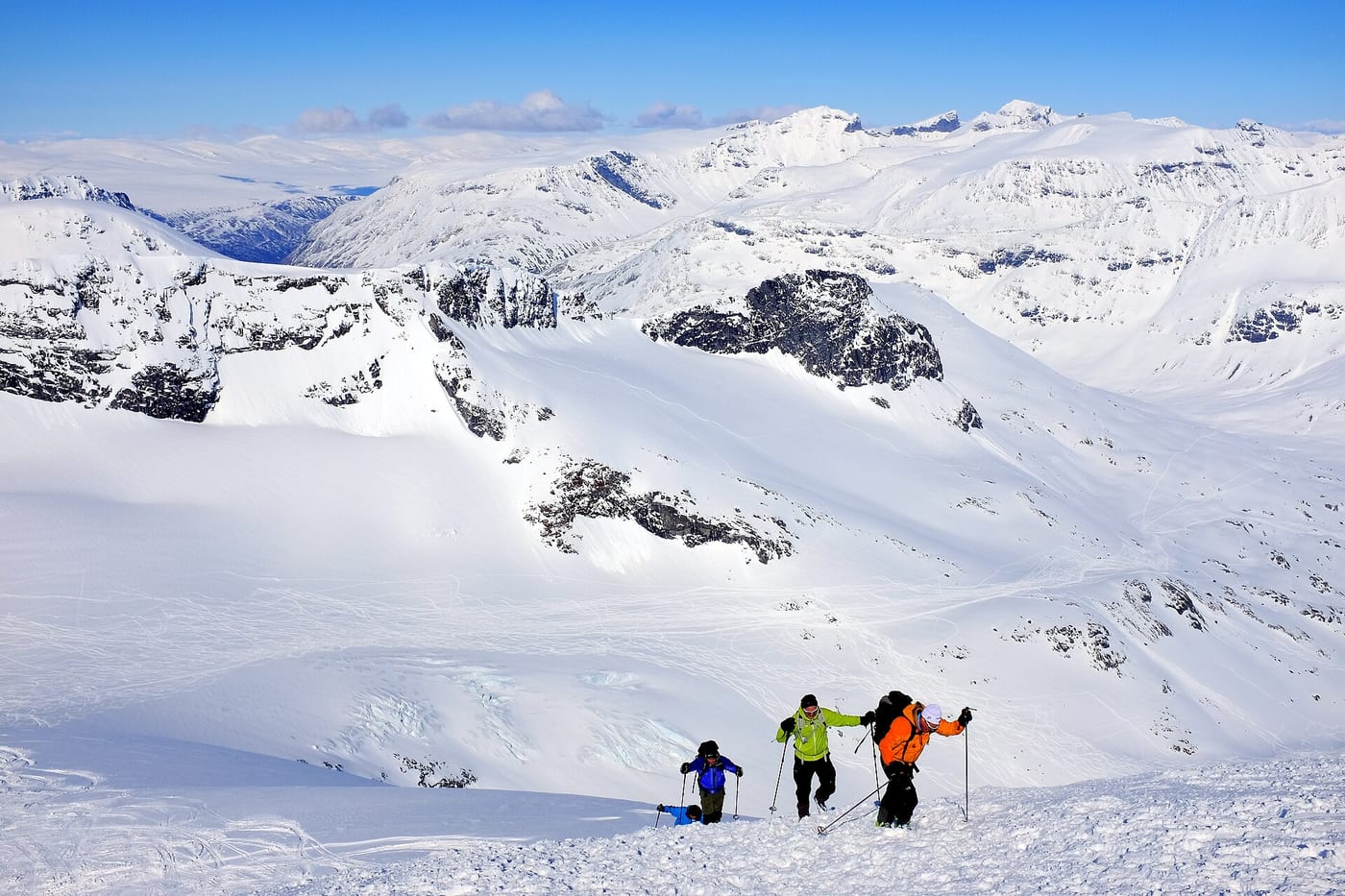
Four places the cold gets in
Forget gift categories for a minute. A ski day fails in four specific places, and each one has a different fix.
Feet. Ski boots are rigid and unbreathable, so a thin sock that moves sweat away beats a thick one that holds it. Thick socks also change the fit, which turns a comfortable boot into a numb one by noon.
Eyes. Flat light erases the texture of the snow. A single-lens goggle turns a groomer into a guess, and this is the only failure on the list that is dangerous rather than merely unpleasant.
Hands. They go first and come back slowest, because you cannot ski with them in your pockets.
The end of the day. Wet liners left in a bag overnight become cold, stiff boots at seven in the morning. Nobody gifts this. Everybody complains about it.
One question settles the whole list: what do they moan about in the car on the way home? Buy the answer, not the category.
Under $30: the layer nobody photographs
1. Merino ski socks that are thinner than they look— Best for anyone still wearing one pair and freezing anyway
A ski sock is a wicking layer, not insulation. Merino at around 200 gsm moves sweat out of the boot without adding volume, which matters because a thicker sock presses the foot against a shell that was fitted to a thin one. Buy two pairs so one can dry between days. The cheap multipacks are mostly polyester and start to smell by lunchtime.
2. Adhesive toe warmers, bought by the box— Best for the person who lasts until 11 a.m. and pretends it is lunch
These are air-activated, so they need oxygen and they need to be stuck to the sock rather than the liner, where they can slide. They run for about six hours, which covers a lift day with room to spare. Never on bare skin: the packs reach a temperature that will burn a numb foot without any warning at all.
3. A lens cloth and spray that live in the jacket— Best for the goggle fog that gets wiped with a glove
Every anti-fog coating dies the same way: a glove, a scarf, or saliva. A small spray bottle and a clean microfiber cloth clean the inside without stripping the coating, and the difference on a snowy lift ride is immediate. Tuck both in the chest pocket where the phone is, because a cloth in the car is a cloth that never gets used.
4. A fleece neck gaiter instead of a scarf— Best for the lift ride where the wind finds the gap in the collar
A scarf on a chairlift is a loose end near moving machinery, and resorts will tell you so. A tube gaiter pulls up over the chin and stays where it is put, and the fleece version breathes enough that it does not turn into a wet band by the third ride. Get one long enough to tuck under the jacket collar rather than sit on top of it.
5. A thin balaclava that fits under the helmet— Best for the sub-zero morning and the person who skipped it
The helmet does not cover the ears the way people assume, and the wind at the top of a long lift is the coldest twenty seconds of the day. A thin balaclava under the helmet fixes the ears, the cheeks and the neck at once. Thick ones push the helmet up and ruin the fit, so look for a flat-seam model, not a knitted one.
The two I would buy first
If you only take two things off this page, take the socks and the boot dryer, in that order. Socks because they cost less than a round of drinks and fix the complaint nobody can solve on the mountain. The dryer because it is the only item here that works while nobody is looking, and the difference between a dry liner and a damp one is the difference between a second ski day and a sore one.
Everything else is an upgrade. Those two are repairs.
$30 to $90: what gets wet first
6. Mittens with a leather palm and a cuff that covers the jacket— Best for anyone who has been skiing in knit gloves
Mittens are warmer than gloves because the fingers share one pocket of heat, and the loss of dexterity matters less than people think: buckles, zips and a phone can all be dealt with, slowly, in a warm lodge. A gauntlet cuff that closes over the jacket sleeve stops snow from travelling up the arm on a fall. Leather palms survive rope tows and rental racks.
7. Heated liners, thin enough to wear inside the mittens— Best for the person with circulation problems who will not admit it
Battery heat at the wrist warms the blood heading for the fingers, which is why liners work better than heated gloves with thick insulation. Run them on the low setting to get through a full day, and charge the pair the night before or the whole thing is dead by the second lift. They fit inside existing mittens, so nobody has to replace good gear.
8. A base layer top with a zip and no cotton in it— Best for the t-shirt under the jacket, in every sense
Cotton holds sweat against the skin and then freezes on the lift. Merino or a good synthetic moves it out, and a quarter zip lets the same layer work on a warm spring day and a cold January one. Midweight is the safe choice for resort skiing: heavyweights cook you on the walk from the car, which is where most people overheat first.
9. Goggles with a second lens for flat light— Best for the low-contrast afternoon that ends the day early
One lens cannot do both jobs. A dark mirrored lens is right for sun and useless in a whiteout, when you want something with a rose or yellow tint that adds contrast to the snow. Magnetic or clip-in swaps take ten seconds on the lift, so the spare actually gets used instead of sitting in the car. Check that the frame takes the second lens, not just that it comes in the box.
10. A padded boot bag that carries the helmet too— Best for the trunk that is currently full of loose gear
Boots and helmet in one bag means one trip from the car and one thing to remember, which on a dark morning is worth more than it sounds. A vented panel lets the liners breathe instead of stewing, and a padded shell keeps buckles from gouging the boot next to it. Check that the bag swallows a 28.5 shell before you buy, because the small ones do not.
Above $90: the things that decide the season
11. A forced-air boot dryer, not a warm radiator— Best for the 7 a.m. boot that is still wet from yesterday
Heat alone bakes a liner and leaves the moisture in the toe. A dryer that pushes room-temperature air through the boot dries the inside overnight without cooking the glue, and it does the same job for gloves, which suffer from the same problem and get none of the attention. Two ports, because ski partners exist and one port becomes a scheduling argument.
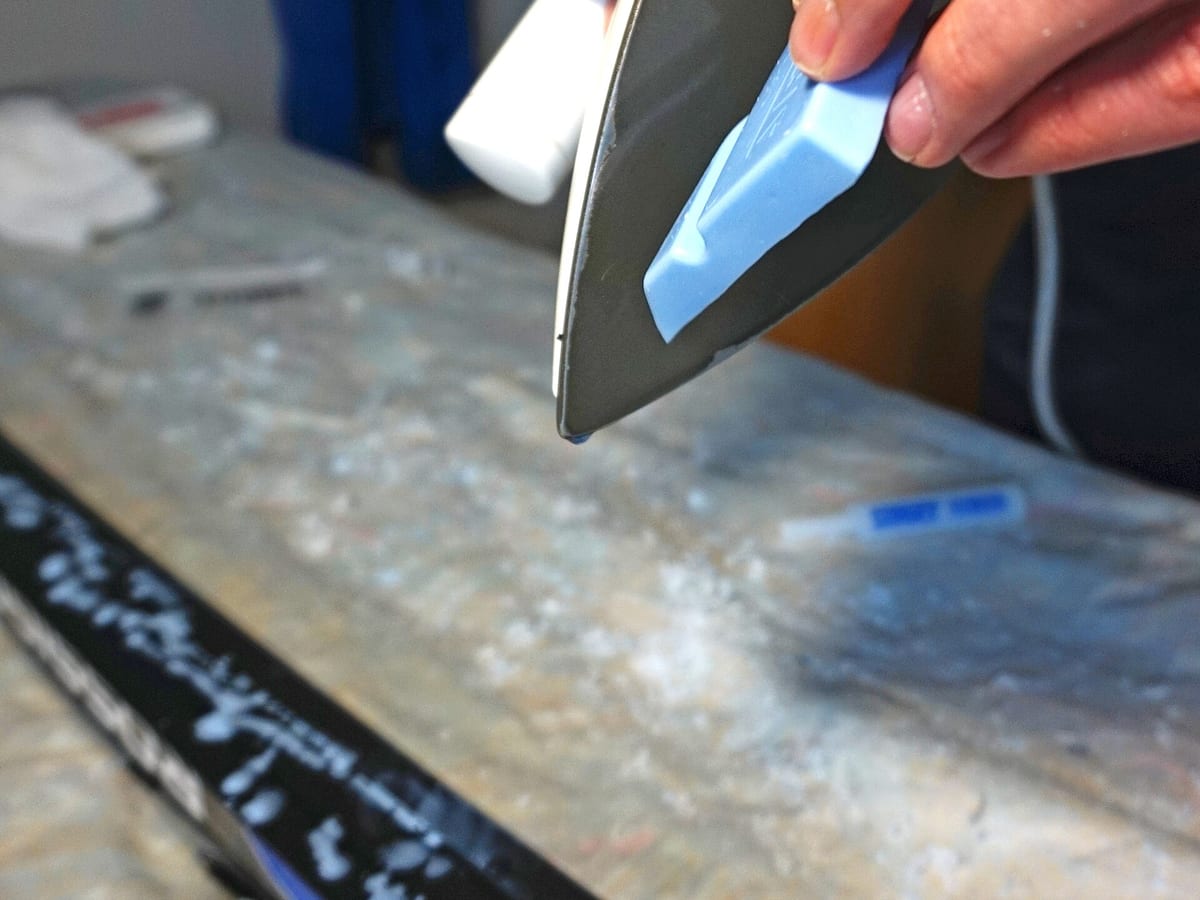
12. A wax kit with an iron, a scraper and a brush— Best for the person who pays twenty dollars for a tune every other week
Wax is friction management. A base that has gone grey and fuzzy drags on wet snow and grabs on cold snow, and the fix takes twenty minutes and a cheap iron. Get a kit with a temperature-specific wax for the local snow, a plastic scraper, and a nylon brush; the brush is the step most people skip and the one that makes the base feel fast again.
13. A tuning kit for the snowboarder in the family— Best for the board that has never had its edges touched
Edges are what make a board hold on ice, and a dull edge is why a friend keeps saying the mountain is icy. A kit with a file guide, a diamond stone and base cleaner covers a season of maintenance for less than two shop tunes. The guide is the important part: freehand filing rounds an edge, and a rounded edge cannot be recovered by hand.
14. Drop-in helmet audio that is not earbuds— Best for the skier who has given up on headphones under a helmet
Earbuds under a helmet hurt after an hour and fall out on the first bump. Flat speakers that replace the helmet ear pads sit against the fabric instead of the ear canal, so the ski patrol can still be heard and the fit does not change. Some helmets are pre-wired for them and some are not, so check the ear pad pocket before ordering.
15. A cable lock that lives in the jacket pocket— Best for the lunch break that leaves the skis on the rack
Ski theft happens at lunch, in daylight, in the ten minutes someone spends queueing for soup. A retractable cable lock will not stop a determined thief with tools, and it does not need to: it makes the next pair on the rack the easier target. The combination version means no key to lose, which is the real failure mode of every lock ever gifted.
What the rental shop already covers
Helmets, poles and boots. Helmets especially: fit varies by head shape and a helmet bought online is a coin flip that costs a hundred dollars. Poles are cheap to rent and impossible to choose for someone else. And boots, above all, are a fitting, not a gift, no matter how good the return policy is.
What the rental shop does not cover is everything on this page, which is why the queue at the rental desk is full of people with cold feet.
FAQ
What is a good gift for a skier who seems to have everything?
Socks, a boot dryer, or a second goggle lens. People buy the equipment they can show off and skip the parts that make it comfortable, so a skier with three jackets usually has one pair of damp socks and goggles that fog. Ask what they wear on the drive home and buy the thing that would have prevented that complaint.
How much should you spend on a gift for a skier?
Twenty to fifty dollars covers socks, warmers, a gaiter and a lens cloth, which between them fix most of a bad day. Above that you are into mittens, base layers and goggle lenses. A boot dryer is the one item worth stretching for, because it is the only gift here that improves the next morning as well as the current one.
Is it worth buying ski boots as a gift?
Rarely. Boot fit depends on foot width, instep height and calf shape, and a boot that fits you will mangle someone else. A bootfitter appointment, paid for in advance, is a better gift than a boot, and a good insole costs less than a bad boot and fixes more.