Three gifts a neighbor of mine received for his shop are stacked above the miter saw, still in their wrap. A digital angle finder. A carving knife set with a wolf burned into the handle. A laser level he’d owned twice already.
He wasn’t ungrateful. He was past the point where a new object is interesting on its own. Nothing in that shop gets stopped by a shortage of tools. Projects stop because a board slides a sixteenth of an inch mid-cut, because a pencil line is a millimeter wide, because an edge went dull two passes ago and is now polishing the wood instead of slicing it.
So this list leaves the power tools alone. Every item goes after one of the four points where the work actually stalls, and most cost less than the lumber for a single chair. Buy any one of them and it gets used the same week. That’s the only test worth applying.
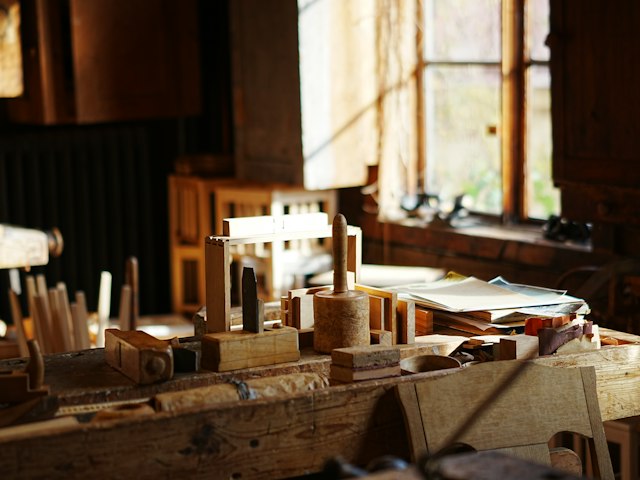
Four ways a project fails (and none of them is the saw)
Skip the category and ask one question instead: what did they complain about on the last thing they built? People who fight clamps will tell you about clamps, usually with a specific joint and a specific word.
Three rules make the rest easier.
Buy the thing they economize on. Woodworkers happily spend on blades and happily use a bent screwdriver from 1998. Clamps, sharpening gear and dust hose sit at the bottom of the budget every single time.
Match the tool to the bench. Bench dogs need dog holes. A 24-inch clamp is dead weight on a 12-inch project. Ask about the setup. Ten seconds, and it’s the difference between a gift and a shelf ornament.
One good object beats a box of average ones. A four-piece chisel set that holds an edge is worth more than a twelve-piece set that doesn’t. The gift trade is full of boxes built to look generous.
One practical note: these arrive coated in protective grease, often with a grinding mark instead of an edge. Don’t unwrap and sharpen it before handing it over. Let them have the first honing session.
One: the board slides
Everything downstream of a moving workpiece is guesswork. The board shifts, the cut drifts, the joint opens, and the blade gets blamed for all of it.
1. Bench dog hold-downs that clamp a board flat— Best for a bench with dog holes and a board that keeps climbing
These drop into the dog holes and press a panel down onto the bench instead of pinching it from the side, which is the difference between planing a tabletop and chasing it across the shop floor. Check for dog holes first. No holes means the edge-clamping version, and that's a different purchase.
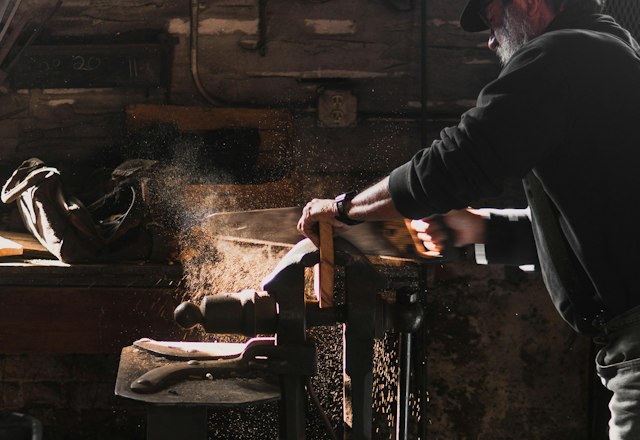
2. A pair of 24-inch bar clamps— Best for glue-ups, because nobody has enough clamps
Twenty-four inches covers everything from a drawer box to a small tabletop, and the trigger style flips to spread, which is how you close a frame that came out a hair wide. Buy two. A single clamp is a paperweight with a handle, and the project that needs one always needs three.
3. A front vise for the end of the bench— Best for the person still holding work down with their hip
A 7-inch vise takes a drawer side, a plane iron or a block of oak without racking, and the quick release spins open in one turn rather than thirty. Heavy, awkward to wrap, genuinely hard to buy for yourself. This is the item people still mention ten years after receiving it.
Two: the line was already wrong
Cutting to a line you can’t see clearly is a coin flip. Two items here remove the ambiguity. One of them fixes a cause most people never think about.
4. A moisture meter, before the lumber goes indoors— Best for anyone building with air-dried or barn stock
Wood moves as it dries. A board at 18 percent goes together in November and opens a hairline by February, and the woodworker gets blamed for a joint that never had a chance. Pin meters read the core, which is what matters; the cheapest ones only read the surface and tell you almost nothing.
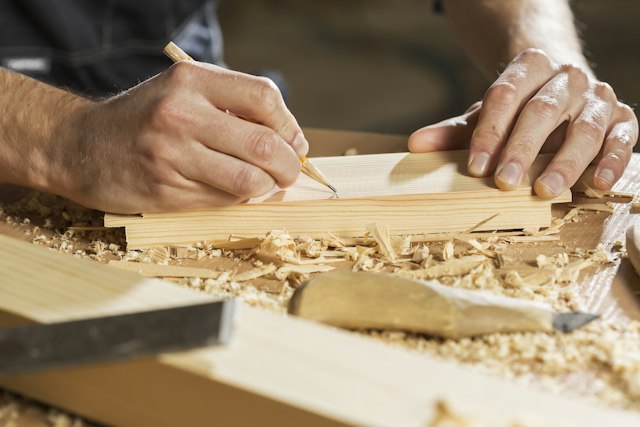
5. A wheel marking gauge— Best for anyone cutting to a pencil line and wondering why joints are loose
A pencil line is roughly a millimeter wide, so every cut to it carries a millimeter of doubt. A wheel gauge scribes a line you can feel with a fingernail, set once from a rule and repeated across forty pieces. Cheapest thing on this list, most reliable change to the finished work.
Three: the edge went dull an hour ago
This is the quiet failure. A dull edge doesn’t announce itself. It makes the work harder, the surface fuzzier, and the woodworker pushes harder to compensate, which is how a chisel slips and a corner gets torn out. Every tool below exists to get an edge back in two minutes, because a sharpening session that takes an hour happens once a year.
6. A Japanese pull saw for joinery— Best for dovetails and tenons that need a clean shoulder
It cuts on the pull stroke, so the blade can be thin and the kerf narrow, which is why it starts a cut on a corner without wandering. Impulse-hardened teeth stay sharp for years and then get replaced rather than filed. Get a folding one if the shop is a corner of a garage.
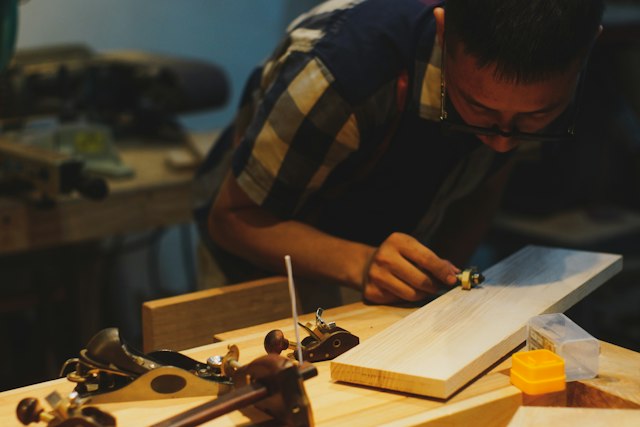
7. A block plane that lives on the bench— Best for end grain, chamfers and the last pass before finish
Two passes does what twenty minutes of sanding does, without rounding the edge over. It's also the only sane tool for end grain, where paper just polishes a fuzzy mess. Low-angle handles end grain better, the standard angle is easier to find irons for, and both need sharpening out of the box.
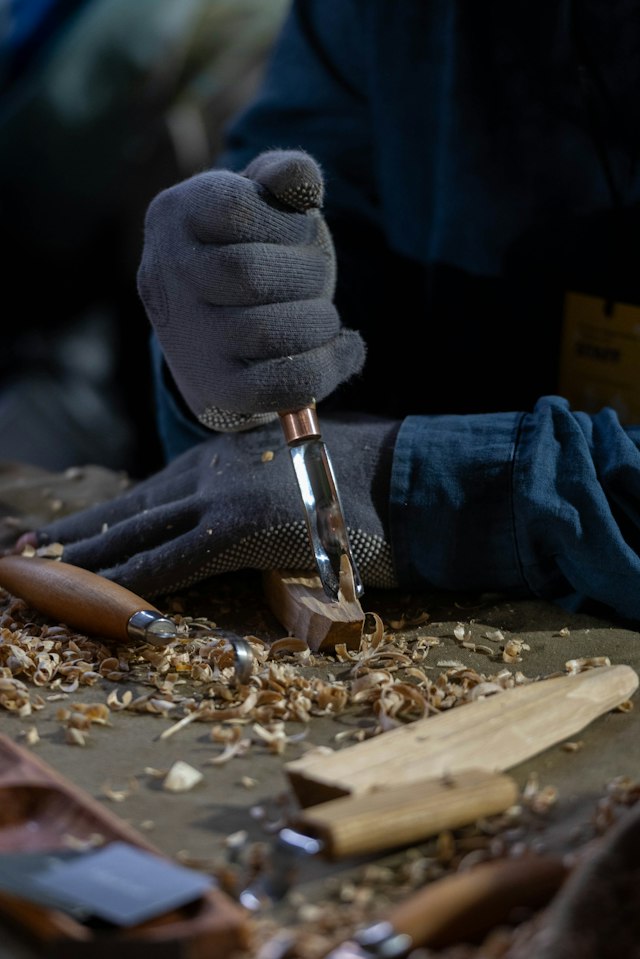
8. A four-piece bevel-edge chisel set— Best for paring, mortises and cleaning up what the router left
A quarter inch for hinge mortises, a half for general paring, three-quarter and one inch for wider work. That's the whole set. Skip the twelve-piece boxes with four sizes nobody touches. Whatever arrives will need an hour on the stones before the first cut, so budget for that evening.
9. Diamond plates in two grits— Best for the shop where sharpening is a yearly event
Diamond stays flat, waterstones dish, and flat is what makes a chisel square. A coarse and an extra-fine plate handle resetting a bevel and polishing it, and they cut fast enough that touching up an edge stops feeling like a project. This is the gift that improves every other cutting tool in the shop.
10. A card scraper set— Best for figured wood and anyone fighting tear-out with sandpaper
A scraper is a rectangle of steel with a burr rolled on the edge, and it takes off the tear-out that sanding only presses flat. On curly maple it's the difference between a surface that catches light evenly and one that doesn't. Almost nobody buys one for themselves, and everybody who tries one keeps it within reach.
Four: the joint closes with a gap
Glue is strong. Glue around a visible gap is a permanent reminder every time someone walks past the piece. These three are about alignment, not adhesion.
11. A self-centering dowel jig— Best for first boxes, first shelves, first anything square
It puts two holes in exactly the same place on two boards, which is most of what a beginner needs to end up with a square box. Self-centering models handle edges, flanged ones handle faces. It's also the tool that makes flat-pack furniture repairable, which sounds unglamorous until a bookshelf sags.
12. Tapered plug cutters— Best for hiding screws in a surface that will be finished
Screws hold better than glue in plenty of situations and look terrible doing it. A plug cutter makes a tapered plug from the same offcut, so the repair disappears into the grain instead of showing a dowel end. Three sizes cover #8 and #10 screws. Small, cheap, never on anyone's list.
13. A glue bottle with a fine tip— Best for anyone still gluing out of the quart jug
Glue comes in a wide-mouth container that either glops or dribbles down the side. A refillable bottle with an applicator tip lays a bead exactly along the joint line, which means less squeeze-out to sand off a finished face. Absurdly unglamorous gift, used on every single project for the next decade.
Two things about the shop, not the project
The last two aren’t romantic. They’re the reason a workshop gets used in February instead of avoided until spring.
14. Five router bits with half-inch shanks— Best for the person whose router table is set up with a 40-piece box
Half-inch shanks chatter less, and five profiles cover what people actually cut: straight, roundover, chamfer, flush trim, cove. That beats forty shapes nobody needs. Buy carbide. The cheap high-speed steel boxes are dull by the second project, and a dull router bit burns the edge it was meant to shape.
15. A dust hose kit with stepped adapters— Best for the shop vac that fits nothing in the shop
Stock vac hoses connect to a nozzle and nothing else. A kit with a 2.5-inch hose and stepped adapters reaches a sander, a router table or a planer, which decides whether the shop gets used in winter or avoided. Chip clearance is also why a planer jams, so this is maintenance as much as comfort.
What I would not buy a woodworker
A forty-piece router bit set. Twenty of those profiles are shapes nobody has ever needed, the steel is soft, and the box occupies a shelf for a decade. Same verdict for carving knives with decorative handles, and for any “ultimate workshop” kit that photographs better than it cuts.
Also skip the engraved hammer. It’s a lovely object and it will never leave the wall.
FAQ
What do you get someone who is just starting out?
A dowel jig and two clamps. Beginners can’t yet cut a perfect joint, and a jig that puts two holes in the same place on two boards gets them to a square box on the first try. Confidence matters more than capacity at that stage.
Are expensive chisels worth it as a gift?
Only if the recipient sharpens. A mid-priced bevel-edge set that takes an edge beats a premium set that stays in a drawer because the owner is afraid to grind on it. Put the difference into a diamond plate so the sharpening actually happens.
How much should a woodworking gift cost?
Around $25 to $50 covers most of this list and sits in the range where a gift reads as considered rather than excessive. Clamps are the exception. Nobody has ever been disappointed by a third clamp, and it’s the item that gets borrowed and never comes back.