Every hiking gift list starts with boots and a backpack, which is a bit like buying a car for someone and starting with the paint. The boots are already chosen. They were chosen over four visits to a shop, two returns, and an argument with a sales assistant about arch support.
What actually decides whether a day on the trail is good is much smaller and much cheaper. Wet socks at mile four. A headlamp that dies at the car because it sat in a pack for a year. Chafing that starts as a warm feeling and ends the walk early. None of it shows up in the photographs, and all of it is the difference between a memory and a story about the time it went wrong.
The seventeen below are ordered by when they matter during a hike, from the parking lot to the last mile. All of them are things a hiker will use on the next trip rather than admire on a shelf.
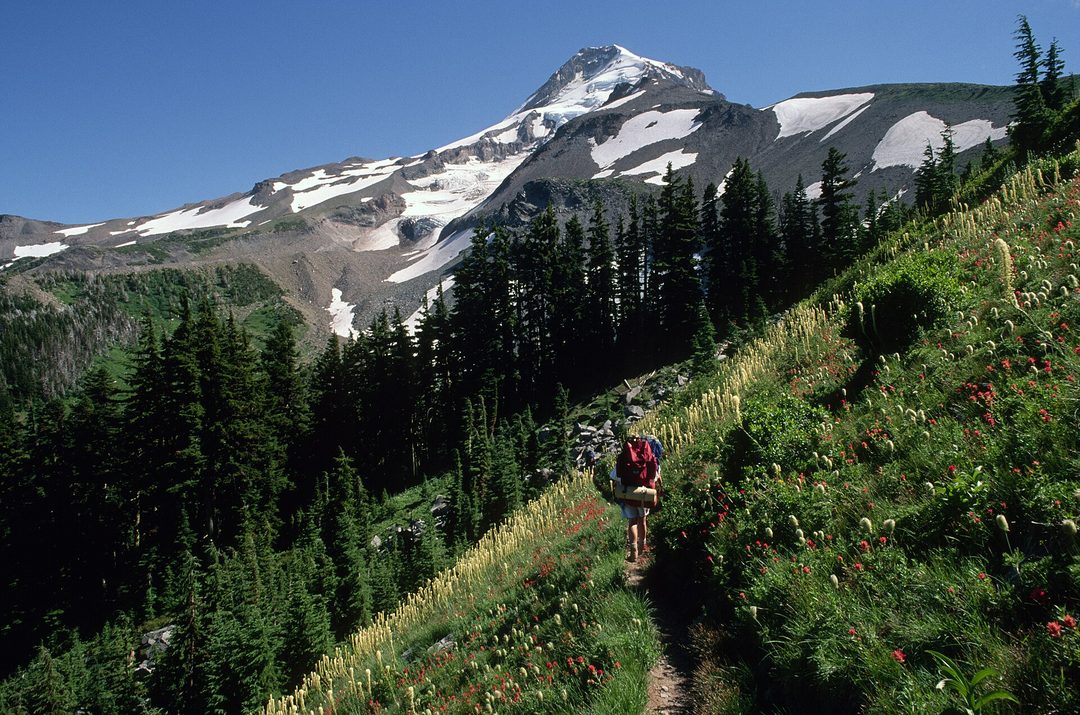
Buy the failure points, not the headline gear
Three rules that save money and hit rate.
Weight beats features. Anything that goes in a pack gets carried for six hours. If it weighs more than the thing it replaces, it stays home, and a gift that stays home is not a gift.
Nothing that needs charging twice. Electronics are fine for a day hike. For anything longer, a device that needs a cable is a device that will be dead at the worst moment. This is why the headlamp below is the only battery item on the list.
Spend on the parts that touch skin. Socks, balm, the layer against the back. Blisters and chafing end more hikes than weather does, and both are solved for the price of lunch.
Before the trailhead
These four live in the pack permanently. They’re the items that get checked in the driveway at 5:40 a.m., which is exactly when they need to work.
1. A rechargeable headlamp— Best for anyone whose current headlamp takes three batteries they don't have
The most common trailhead failure is a lamp that was left in a pack since spring with a dead cell. A USB-rechargeable one with a red mode is charged from the car and won't blind the group at camp. Get one that runs on a single strap with a lockout switch; the cheap ones turn on inside the pack and greet you empty.
2. A baseplate compass— Best for the hiker who navigates entirely by phone and knows it's a weakness
Phones die, lose signal in valleys and go flat in the cold. A baseplate compass weighs an ounce and works in the rain, and it's the object that turns a map from decoration into a tool. Pair it with a paper map of the area they hike most and you've given a skill, not a gadget.
3. Electrolyte tablets— Best for the person who drinks two liters of water and still gets a headache
Water alone doesn't replace what you sweat out over six hours of climbing, and the resulting headache is usually blamed on the sun. Tubes of tablets drop into a bottle and dissolve, so there's nothing to measure and nothing to carry out. Buy two tubes; the first one lives in the pack and never gets replaced.
4. A blister kit that fits in a pocket— Best for the person who treats a hot spot by tightening their laces
Moleskin, a small roll of tape and a couple of alcohol wipes, in a pouch the size of a wallet. The rule is to stop at the first hot spot, and nobody stops unless the fix is already in reach. This is the cheapest item on the page and the one that saves the most weekends.
The first hour
The first hour decides the rest of the day. These four are about feet, hands and rhythm.
5. Merino wool hiking socks— Best for anyone still walking in cotton socks, which is more people than you'd think
Merino holds warmth when wet, doesn't hold odor, and dries overnight on a radiator, which is why experienced hikers own six pairs and wear nothing else. A midweight crew works in three seasons. Buy two pairs, because the gift only lands when they can wear one and wash one.
6. Low gaiters— Best for trails with scree, mud and the kind of dust that gets into everything
A short gaiter around the ankle stops gravel from working its way into a boot over four hours, which is the quiet cause of half the hot spots people blame on their socks. The low version doesn't look like mountaineering kit, so it actually gets worn on a normal Saturday walk.
7. Collapsible trekking poles with cork grips— Best for the hiker whose knees have started commenting on descents
Poles take a meaningful share of the load off the knees on the way down, which is where damage accumulates. Cork grips absorb sweat and don't get slippery. Get the flick-lock kind rather than the twist-lock, because twist locks seize with grit and then refuse to collapse at the end of the day.
8. Anti-chafe balm in a stick— Best for anyone who has finished a hike walking slightly sideways
The one item people are embarrassed to buy for themselves and immensely relieved to be given. A stick format goes on before the hike, doesn't leak in a pack and lasts a season. Put it in the pack the night before; nobody remembers to apply it at 6 a.m.
If you stop reading here
Buy the socks. They’re twenty dollars, they fix the single most common reason a hike turns uncomfortable, and unlike almost everything else in this category they get used on every trip. Second choice, the blister kit, for the same reason.
Skip the rest if the person hikes twice a year on well-marked trails. The gear below matters most to the people who go out in bad weather, go alone, or go far.
The middle miles
Hours three to six. Water, sun and insects, in that order.
9. A water filter you drink through— Best for the hiker carrying four liters because there's no safe source
A hollow-fiber filter screws onto a bottle or a bladder tube and lets you refill from a stream instead of hauling the whole day's water uphill. Four liters weighs four kilos, so this is a rare gift that removes weight from the pack. Check the filter's rating for the water in their area.
10. A head net— Best for anyone whose late-spring hikes involve constant swatting
Twenty grams of mesh that makes the difference between eating lunch and abandoning lunch. The good ones have a drawcord at the neck and a wire rim that keeps the mesh off your face. It looks absurd in a photograph and is the most appreciated item in the pack by July.
11. A sun hoodie— Best for the hiker who burns through sunscreen by noon
UPF fabric over the arms and neck removes the need to reapply every two hours, and it's cooler than bare skin in direct sun once you're sweating. Get a light color and a hood that fits under a cap. This is the item that quietly replaces three other pieces of clothing.
12. A foam sit pad— Best for the lunch stop where the only options are rock, mud or a tree root
Thirty grams of closed-cell foam that turns any surface into somewhere you'll actually sit down for twenty minutes, which is when the day stops being a march. It also doubles as a knee pad and a dry spot for the pack. Cheapest comfort upgrade in hiking, and almost nobody buys one.
When it goes wrong
Five items for the bad version of the day. None of them are fun to buy, which is exactly why they make good gifts.
13. An emergency bivvy— Best for day hikers who go out alone or later than they meant to
A reflective sack the size of a fist that keeps a person out of the wind and substantially warmer than a foil blanket, which tears in about four minutes. It's the item you hope is never opened, and the reason a twisted ankle at dusk stays an inconvenience instead of becoming the story of the year.
14. An ultralight first aid kit— Best for the pack held together by one plaster and hope
The retail kits are mostly padding; the useful version has tape, gauze, a couple of dressings, ibuprofen and a pair of tweezers, in a bag under two hundred grams. Buy one and add the blister kit from the top of this page, because foot injuries are what it will actually be used for.
15. A roll-top dry bag— Best for the person who puts a phone in a pocket and hopes
Ten liters, rolls shut, keeps a spare layer and a phone dry through a downpour or a stream crossing. It also compresses a jacket to the size of a grapefruit, which solves a packing problem at the same time. Two is better than one: a wet layer in the same bag as a dry one defeats the purpose.
16. Rechargeable hand warmers— Best for the hiker whose hands stop working at the first cold summit
Cold hands are the reason gloves come off, sandwiches get abandoned and camera batteries die. A pair that charges from a power bank gives six hours of heat and replaces the disposable packets that end up in a landfill. Check the capacity; the small ones last two hours and then live in a drawer.
17. Traction cleats for ice— Best for anyone hiking in shoulder season, when the trail is ice with a dusting of snow
Rubber harness and steel spikes that strap onto trail shoes and turn a slick incline into a walk. Shoulder season is when most falls happen, because the trail looks fine from the car park. Get the version sized to their boot; a loose harness rolls off at the worst possible step.
FAQ
What do you get a hiker who already has all the gear? Consumables and the small items that wear out: socks, balm, electrolyte tablets, blister supplies. A hiker with a full kit still replaces those every season, and they are the only categories where a gift is guaranteed to be used rather than stored.
Is it worth buying expensive hiking socks? Yes, more than most gear. Socks are the interface between a person and eight hours of walking, and the difference between merino and cotton shows up as blisters rather than as comfort. Two good pairs will outlast six cheap ones and get worn on every trip.
What’s a good hiking gift under $25? Merino socks, a blister kit, electrolyte tablets or a foam sit pad. All four are used on the next hike and none of them need charging, fitting or a return. Under twenty-five dollars is genuinely the most useful band in this category.