Every record collector has one record that sounds bad, and a story about the pressing being the problem. Sometimes the pressing is the problem. More often the needle has four hundred hours on it, or the felt mat has been holding a static charge since the sleeve was first opened, or the paper inner sleeve has been quietly sanding the surface every time the record goes back in its jacket.
Nobody gifts that part. Records are the visible hobby and the easiest thing to get wrong, because taste is not something you can infer from the outside, and the wrong record is a polite smile in cardboard. The unglamorous half of this hobby, the part the collector keeps meaning to sort out, is exactly what makes a good present.
Fifteen things below, ordered the way the signal actually travels: the groove, the needle, the platter, the wire, the speakers, and finally the shelf.
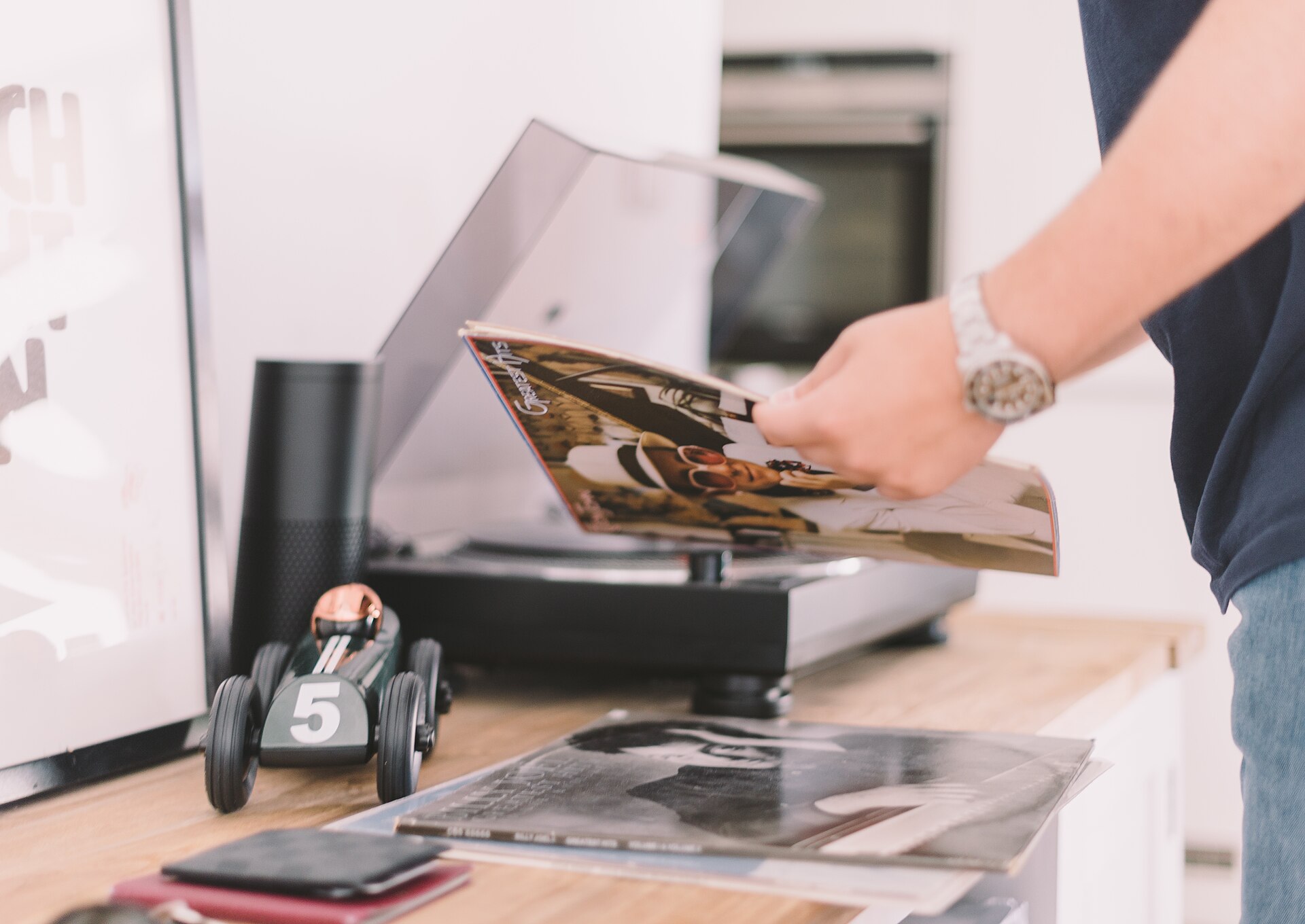
What the deck already decides
You cannot shop this list blind. Four details change the answer, and any collector can tell you all four in a sentence without thinking.
Does the turntable have a built-in preamp? If it does, a separate preamp is dead weight. If it does not and their receiver has no phono input, the setup is running at a fraction of line level, which is the most common reason a good deck sounds broken.
Belt or direct drive? A record weight is harmless on direct drive and unkind to a suspended belt-drive deck whose springs were tuned for a lighter platter.
What cartridge is on it? Styli are model-specific. A replacement needle for the wrong cartridge does not fit, and the one that almost fits tracks wrong and damages records.
Do they store records on a shelf or in a pile? A pile needs a crate before it needs anything else. A full shelf needs dividers and sleeves.
Ask, then buy. Half the returns in this category come from guessing at the first question.
Start at the groove
Cleaning is the step that makes every other upgrade audible. A record with dust in the groove will crackle through a better cartridge exactly as loudly as it crackled through the old one.
1. A wet cleaning kit— Best for the collection that crackles on the first track of every side
Fluid, a brush and a vacuum arm, or a spin-clean bath if they would rather not spend two hundred on a machine. It lifts the paper dust and mold release compound that a dry brush only redistributes. Do it once, when a record arrives, and most of the noise people blame on the pressing disappears.
2. A carbon fibre brush— Best for the thirty seconds before every side
Carbon fibre lifts dust off the surface and, more usefully, drains the static that makes a record cling to its sleeve. Two passes with the brush angled against the rotation, then drop the needle. Cheap brushes shed fibres onto the record, so get one with a handle deep enough that your fingers never touch the bristles.
3. Cleaning fluid, by the bottle— Best for refilling the kit they already own
Once the habit exists, fluid becomes the consumable, and one bottle lasts around a hundred records. Skip anything with a high alcohol content if they play older pressings, since it can dull a lacquer surface over years. Most commercial fluid is distilled water, a surfactant and very little else, which is worth knowing before you pay for a brand.
4. An anti-static gun— Best for the dry apartment where cleaning never quite fixes the crackle
A squeeze of the trigger ionises the air and neutralises the charge on the record, which is the actual cause of the crackle that survives a wash, and the reason dust re-lands within seconds of the brush. It looks like a toy from 1985 and costs more than it should. It also stops the inner sleeve from clinging when they pull a record out.
The needle is a wear item
Nobody replaces a stylus until something sounds wrong, and by then it has been grinding for months. This is the least romantic item on the page and the one that protects everything else they own.
5. A replacement stylus— Best for anyone playing a secondhand deck with an unknown history
A stylus is good for somewhere between five hundred and a thousand hours, and a used turntable usually arrives with no record of how many of those are gone. A worn needle damages records slowly and permanently, which is the argument for buying this before anything prettier. Match the cartridge model exactly; the almost-right one tracks wrong.
The platter, and the weight on it
Two small objects that change how a record sits, and both are reversible, which makes them good gifts for someone whose setup you do not fully understand.
6. A cork platter mat— Best for the deck still running the felt mat it shipped with
Felt holds static and, after a decade, compacts into a slightly uneven surface. Cork grips the record, kills most of the charge, and is thick enough to change the vertical tracking angle by a hair, which on some decks is an improvement and on others is not. Ten minutes to try, and easy to take back off.
7. A record weight— Best for the collection with a few records that were stored badly
A machined puck adds mass and flattens a mild warp enough to play through, which is much cheaper than replacing a record that is out of print. Skip it entirely on a suspended deck, where the extra weight sits on springs tuned for a lighter platter. On direct drive it is harmless and occasionally startling.
Getting the signal out of the deck
This is the section most people skip, and it is where a turntable that sounds wrong usually gets fixed for under a hundred dollars.
8. A phono preamp— Best for the setup that sounds thin and quiet with the volume near the top
A turntable puts out a signal far below line level, and it also needs RIAA equalisation, which is a curve rather than a volume boost. Without it you get thin, bass-light sound that people describe as the deck being bad. Check both ends first: some decks have a switch on the back, and some powered speakers have a phono input already.
The two machines worth buying
Everything above improves a deck someone already owns. These two replace one, and they are worth gifting only if you know which problem you are solving.
9. A belt-drive turntable with a real tonearm— Best for the first proper deck, replacing a suitcase player
The motor sits away from the platter on an elastic belt, so its vibration never reaches the stylus, which is the entire trick and the reason belt drive still wins at this price. An adjustable counterweight and a working anti-skate dial matter more than any number on the box. Avoid anything with built-in speakers and a plastic platter.
10. A turntable that streams to their speaker— Best for the apartment where a separate amplifier is never going to happen
It solves the real problem, which is that a conventional turntable needs three other boxes before it makes a sound. Sound quality sits below a wired setup at the same money, so buy it for convenience and say so out loud. For someone with a smart speaker and no shelf space, this is the difference between playing records and owning them.
Where the records live
Storage is the invisible half of collecting. Records stored leaning will warp at the bottom of the stack, and records stored too tightly get seam splits from being pulled out.
11. A wooden record crate— Best for the stack currently leaning against the living room wall
Vertical and slightly compressed is the only storage that keeps records flat, and a crate holds around seventy LPs without asking them to lean on each other. It fits under a console table and survives a move, which a shelf does not. Get one with a finger notch at the front, because pulling a tight record out of a full crate is how sleeves split.
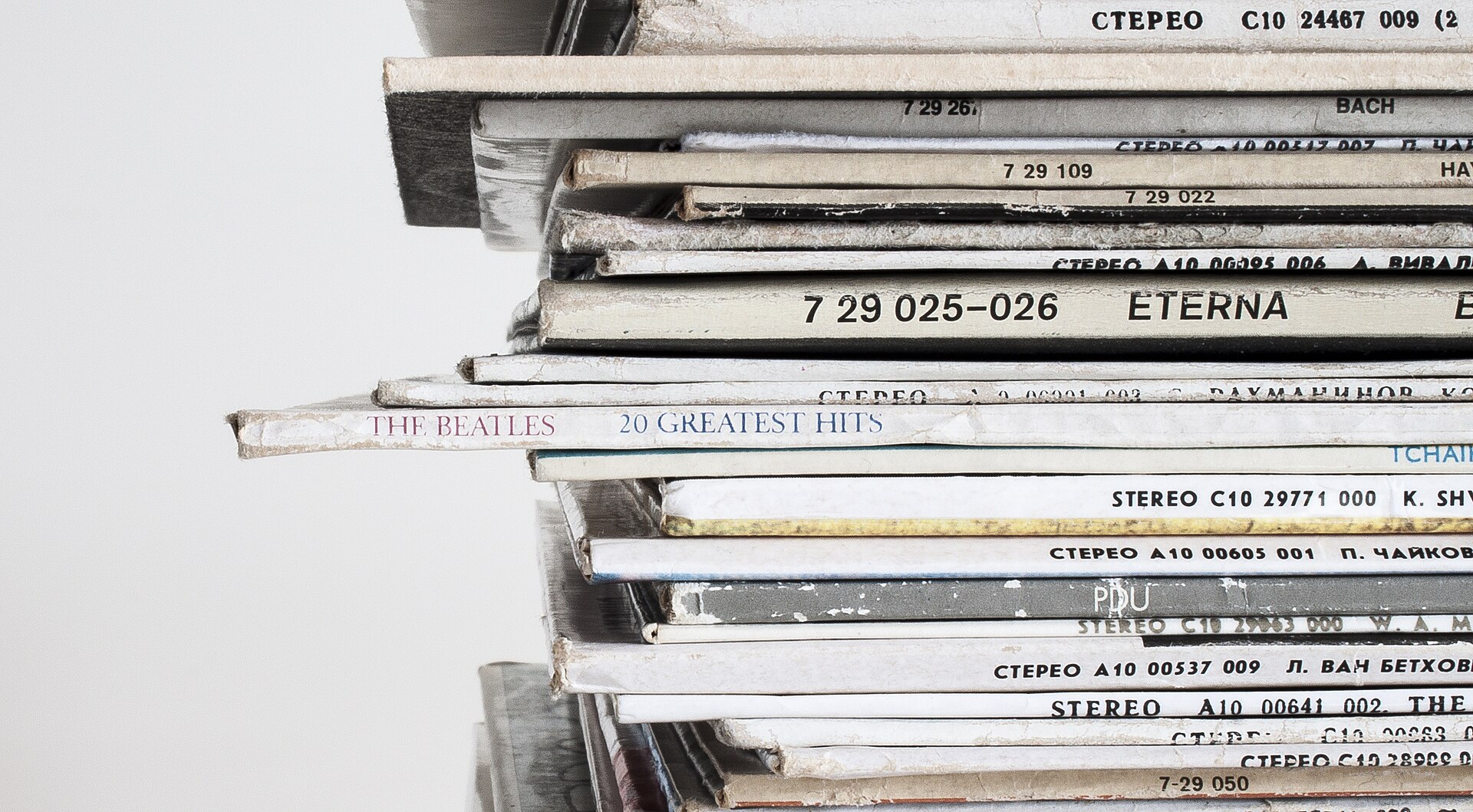
12. Outer sleeves, a hundred at a time— Best for the collection whose covers are already ring-worn
Clear sleeves go over the jacket without hiding the artwork, and they stop the ring wear that comes from shelf pressure plus the seam splits that come from sliding a record in and out. Buy the thicker gauge. The thin ones crease at the corner within a month and then you have paid twice for the same job.
13. Anti-static inner sleeves— Best for anyone still using the paper sleeve the record came in
Paper sheds fibres into the groove and scuffs the surface every time a record slides back in. Replacing them is the cheapest audible upgrade in this hobby: quieter surfaces, less static, no paper dust on the needle. Do the whole collection at once on a rainy afternoon rather than one record at a time.
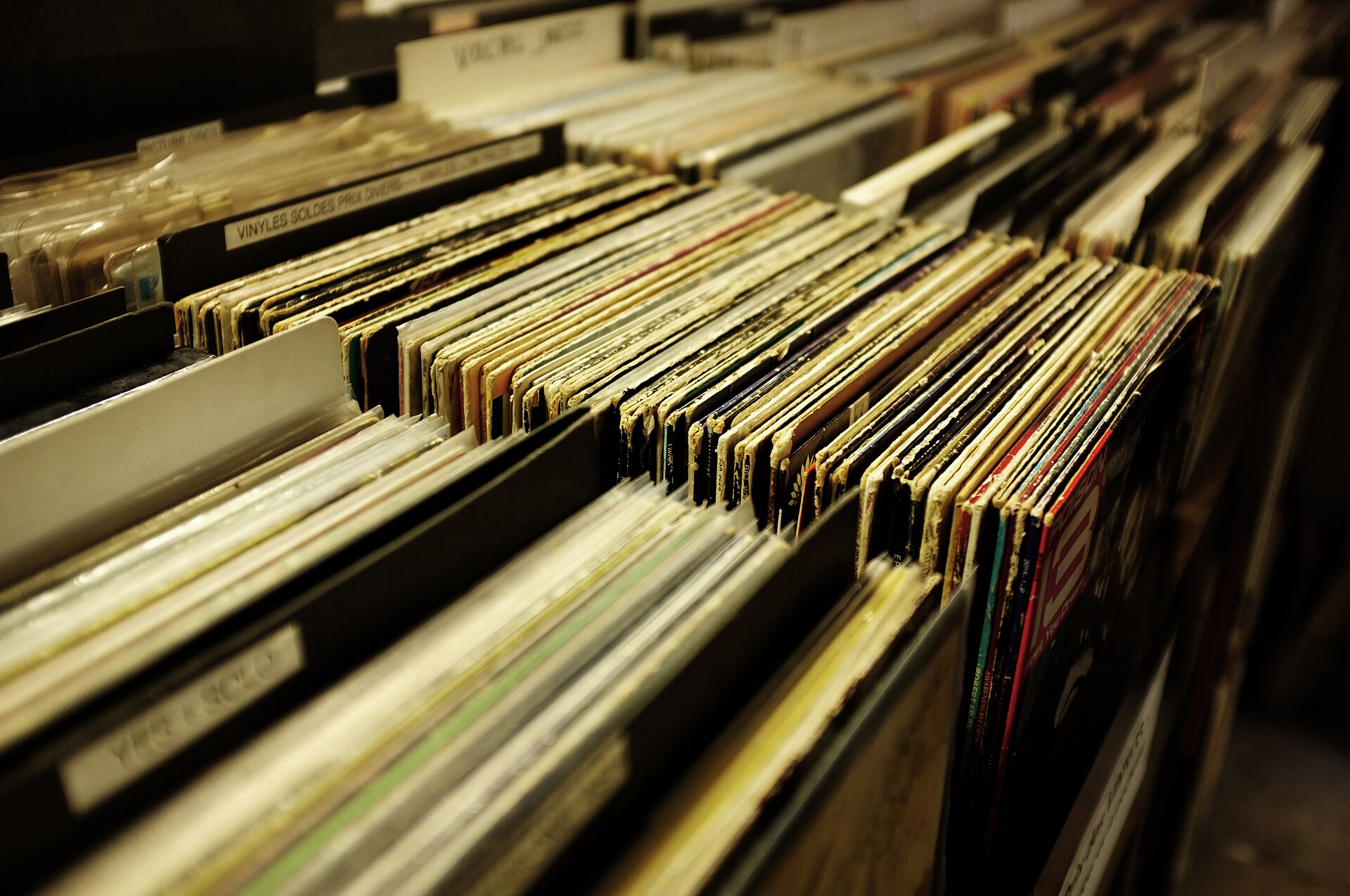
14. Shelf dividers— Best for the shelf with two hundred records and no order at all
Dividers turn a shelf you search into a shelf you use, and they stop the end records from leaning into the gap. The clip-on plastic ones work fine; wooden ones look better and cost three times as much. Leave a third of a shelf empty when you file, or the next ten records go on the floor.
15. A frame for the one record that deserves a wall— Best for the record they bought twice because the first copy wore out
A proper mat holds both the sleeve and the disc so you can see the label, which is what people mean when they say they would like to display one. UV glass matters on a sunny wall, because a faded sleeve is permanent. It is also the only gift here that keeps working when the turntable is switched off.
Editor’s pick
Buy the stylus if the deck is secondhand, and the cleaning kit if it isn’t. In that order, always. A collector with a clean record and a known-good needle is hearing what they actually own. A collector with a new cartridge and a dirty record is hearing the dirt through a better lens, and wondering why the upgrade did not help.
If you want something that feels like a present rather than maintenance, buy the weight. It is the one object here that gets handled, admired and shown to friends, and it happens to fix the warped record they have been meaning to replace.
FAQ
What do you get a vinyl collector who has everything?
Consumables. Brushes, fluid, inner sleeves, a spare stylus. These are the things a collector uses constantly and replaces grudgingly, which makes them both useful and safe. A record itself is the risky option, because pressing, mastering and condition all matter and you cannot verify any of them from a listing.
Is a turntable a good gift?
Only if you know what it is replacing. For someone with a suitcase player and no amp, a belt-drive deck with a proper tonearm is a genuine upgrade. For someone with a good deck already, a second turntable is clutter. Ask what they own before you spend three figures on an assumption.
How much should you spend on a vinyl gift?
Twenty-five to fifty dollars covers the entire maintenance layer, which is what most collections are missing. Above that, spend on the deck or the preamp only when you know the rest of the chain, because a better machine plugged into the wrong input sounds exactly as bad as the old one.